


What Plastic Surgery Recovery Really Looks Like: Home Nursing & Rehab Support in NJ
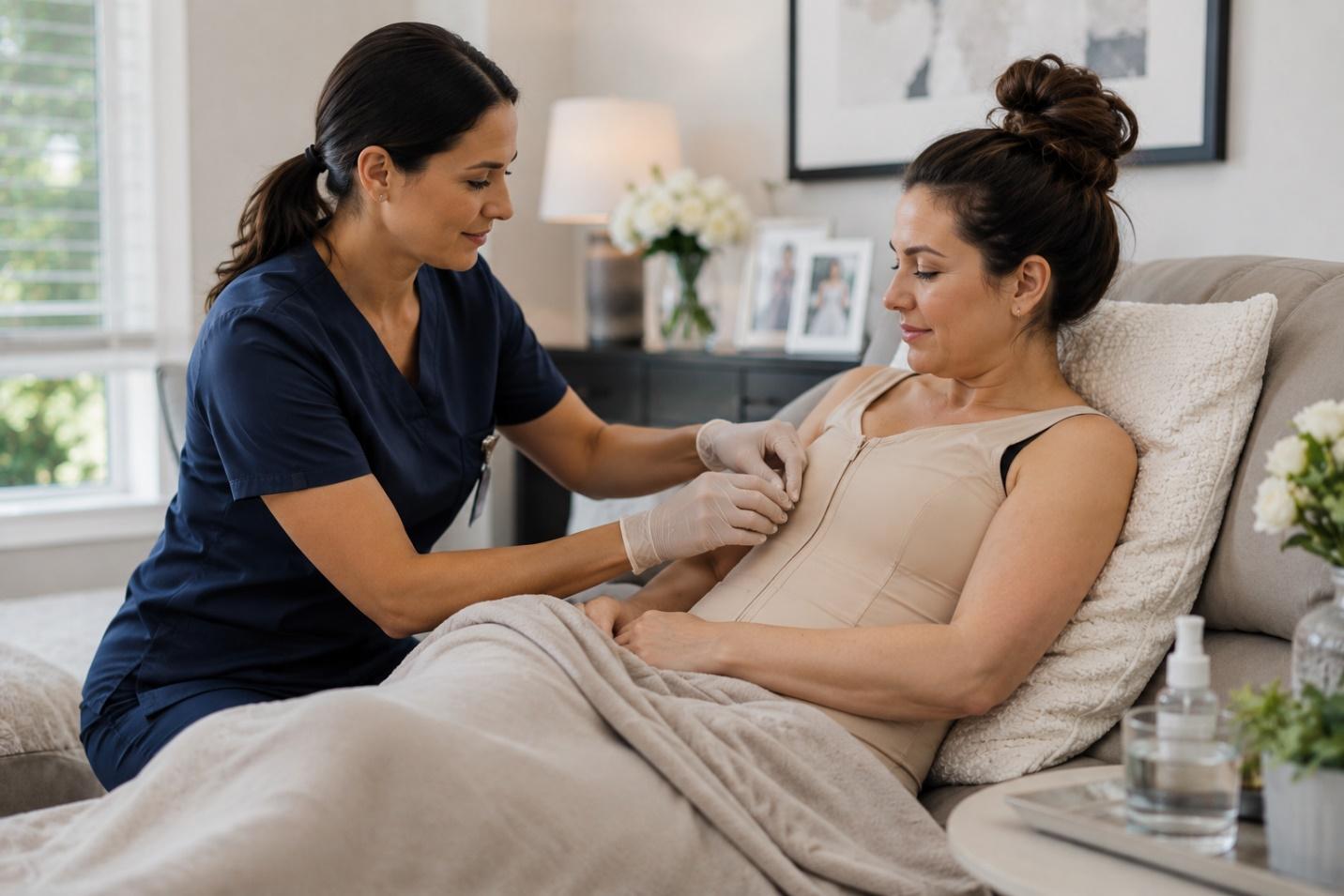
Plastic surgery recovery typically involves close monitoring in the first 24 to 48 hours, followed by weeks of gradually increasing activity as swelling resolves and tissue heals. Many patients in Princeton, NJ arrange in-home post-surgical nursing, such as Nurse Concierge, for monitoring, medication management, and mobility support after procedures at Princeton Rejuvenation Institute. Schedule a consultation to plan your recovery in advance.
What Does Plastic Surgery Recovery Actually Involve?
Recovery from plastic surgery is a process, not a single event, and it looks different depending on the procedure, but most surgeries share a general pattern: an initial period of close monitoring, followed by gradually increasing activity over several weeks as swelling and discomfort resolve. Understanding this pattern in advance, rather than learning it after surgery, helps patients plan realistically for time off work, household help, and follow-up appointments.
Recovery expectations set during your consultation, rather than assumptions based on what you have seen online or heard from friends, tend to be the most accurate, since every surgery and every patient's healing process is somewhat different. Your surgical team will typically schedule follow-up visits at set intervals after surgery specifically to track your healing against the expected timeline and catch anything that is not progressing as expected.
Sleep and Rest During the Early Recovery Period
Quality rest supports healing, but many patients find sleep genuinely disrupted in the first week or two after surgery due to positioning restrictions, discomfort, or medication side effects. Patients recovering from breast or abdominal procedures are often advised to sleep in a reclined or elevated position for the first couple of weeks rather than lying flat, which can require a wedge pillow or recliner rather than a standard bed setup. Planning this sleeping arrangement before surgery, rather than figuring it out afterward while already uncomfortable, is a small detail that makes a real difference in the first several nights.
Nutrition and Hydration During Recovery
What you eat and drink after surgery plays a bigger role in healing than many patients expect. Adequate protein intake supports tissue repair, while staying well-hydrated helps manage swelling and supports overall recovery, particularly if you experienced any blood loss during surgery. Some pain medications can also cause constipation, so many surgeons recommend a fiber-rich diet and staying hydrated to help manage this common, uncomfortable side effect during the first week or two.
The First 24 to 48 Hours After Surgery
The first day or two after surgery is generally the most demanding part of recovery, when anesthesia is wearing off, pain and swelling are at their peak, and mobility is limited. During this window, patients typically need help with basic tasks like getting up, managing medication on schedule, and monitoring for early warning signs such as excessive bleeding, fever, or unusual pain. This is exactly the period when many patients benefit most from professional support rather than relying solely on family members who may not recognize concerning symptoms.
Why Home Nursing Support Matters After Surgery
Professional in-home nursing bridges the gap between leaving the surgical facility and being fully independent again. A registered nurse can monitor vital signs, manage surgical drains, administer or track medication accurately, and recognize early signs of complications like infection or blood clots that a family caregiver might miss. This kind of oversight is particularly valuable after combination procedures like a mommy makeover, or major surgeries such as a tummy tuck, where the first days involve more restricted mobility.
What Does In-Home Post-Surgical Nursing Include?
- Vital sign monitoring, including blood pressure, heart rate, and temperature checks
- Medication management and scheduling, including pain control
- Surgical drain care and monitoring for signs of infection
- Help with mobility, positioning, and basic daily activities
- Transportation coordination for follow-up appointments
Services such as Nurse Concierge, which operates throughout Central and Northern New Jersey, provide exactly this kind of licensed nursing support for patients recovering at home or in a hotel after cosmetic and reconstructive surgery.
Recovery Timelines by Procedure Type
- Breast augmentation: about one week off work, light activity within two weeks, full exercise by six to eight weeks
- Abdominoplasty (tummy tuck): two to three weeks off work, limited activity for four to six weeks, full recovery over several months
- Liposuction: several days to a week off work, with swelling resolving gradually over one to three months
- Facelift: one to two weeks off work, with residual swelling and tightness improving over several weeks to months
- Mommy makeover (combined procedures): four to six weeks before returning to full normal activity
These timelines are general guidelines. Your surgeon will give you a recovery plan specific to your procedure, health history, and how your body responds to surgery.
Preparing Your Home for Recovery
- Set up a recovery space on the main floor if stairs will be difficult in the first days
- Prepare easy-to-eat meals and stock up on groceries in advance
- Arrange loose, front-closing clothing that avoids pressure on the surgical area
- Have pillows ready for positioning, particularly for breast or abdominal procedures
- Confirm who will help with transportation to and from follow-up appointments
Recovery Support Beyond Nursing: Physical Therapy and Mobility
For some procedures, particularly larger combined surgeries or body contouring involving the abdomen and lower body, gentle movement and, in some cases, physical therapy support gradual mobility recovery once the initial healing window has passed. Short, frequent walks are typically encouraged early in recovery to support circulation and reduce blood clot risk, even while more strenuous activity remains restricted. Your surgeon will give you a specific activity progression rather than a one-size-fits-all timeline, since pushing too hard too soon can affect healing and results.
The Emotional Side of Plastic Surgery Recovery
Recovery is not only physical. Many patients experience a temporary dip in mood in the days after surgery, sometimes tied to anesthesia after-effects, medication, disrupted sleep, or simply the frustration of limited mobility during a demanding recovery window. This is common and typically improves as physical healing progresses, though patients should mention persistent low mood, anxiety, or difficulty coping to their surgical team, since support resources can help during what is often a more emotionally demanding period than patients expect going in.
Warning Signs to Watch for During Recovery
Contact your surgeon promptly if you notice signs such as a fever above 101°F, spreading redness or warmth around the incision, unusual or worsening pain not controlled by prescribed medication, excessive bleeding or drainage, or shortness of breath and chest pain, which can indicate a blood clot and requires immediate medical attention. A home nurse trained in post-surgical care can recognize these signs earlier than an untrained caregiver, which is part of why professional support matters most in the first days after surgery.
How Long Does Professional Home Nursing Typically Last?
Most patients arrange professional in-home nursing support for the first 24 to 72 hours after surgery, when needs are highest and the risk of complications is greatest, though this can extend longer for more extensive combined procedures or for patients without family support available at home. Some patients choose a shorter check-in visit model, with a nurse stopping by once or twice a day, while others prefer continuous overnight care for the first night or two. Discussing your specific home situation, support network, and procedure with your surgical team helps determine what level of care makes sense for you.
Recovering at a Hotel or Away From Home
Patients traveling from further parts of New Jersey, or from New York, sometimes choose to recover at a nearby hotel for the first several days rather than making the trip home immediately after surgery, particularly if follow-up visits are needed within the first week. Services like Nurse Concierge accommodate this by providing care at a hotel as well as a private home, which can simplify logistics for patients traveling a longer distance for their procedure at Princeton Rejuvenation Institute.
Home Nursing & Rehab Support in Princeton, NJ and Central New Jersey
Patients recovering from surgery at Princeton Rejuvenation Institute, serving Princeton, Hamilton, Hightstown, Robbinsville, Cranbury, and Trenton, can arrange in-home nursing support through partners such as Nurse Concierge, which serves Central and Northern New Jersey. Planning this support before surgery, rather than scrambling to arrange it afterward, makes the first critical days of recovery considerably smoother.
How to Plan Recovery Support Before Your Surgery
The best time to think through recovery logistics is during your consultation, not the night before surgery. Ask your surgical team directly what level of support is recommended for your specific procedure, whether that means a family member staying with you, a few days of professional home nursing, or a longer rehabilitation plan for a more extensive combined surgery.
Recovery Support at Princeton Rejuvenation Institute
Jamie R. Wisser, MD, FACS and the team at Princeton Rejuvenation Institute walk every patient through a realistic recovery plan as part of surgical planning, including guidance on when professional home nursing support makes sense for your specific procedure.
Contact Princeton Rejuvenation Institute to discuss your procedure and plan your recovery in advance.
Category:


